

If you are just beginning your infertility journey, everything probably feels a bit overwhelming.
The doctors, the tests, the injections—it’s all a lot to handle. As someone who went through seven IVFs before having success, I probably have more experience than anyone would ever want. But that does put me in a great position to help others just starting out know what to expect when there’s trouble expecting.
So, just in time for National Infertility Awareness Week, April 24-30, here’s what I wish I had known way back when I was still scared to give myself shots:
IVF doesn’t necessarily lead to a baby. Unfortunately, I learned this one the hard way. The second I got a positive pregnancy test on my first IVF, I started thinking about where I would deliver the baby. But when I learned at my first ultrasound that the baby hadn’t developed and was instead a “blighted ovum,” I was devastated. The first IVF does work for many people, so there is a notion in general society that IVF equals baby. This is probably fueled by the media’s incorrect use of the word “implanted”—no one can implant an embryo, it has to do that on its own once it’s “transferred” to your uterus. So while remaining optimistic, be aware that you may need a couple of rounds before having success.
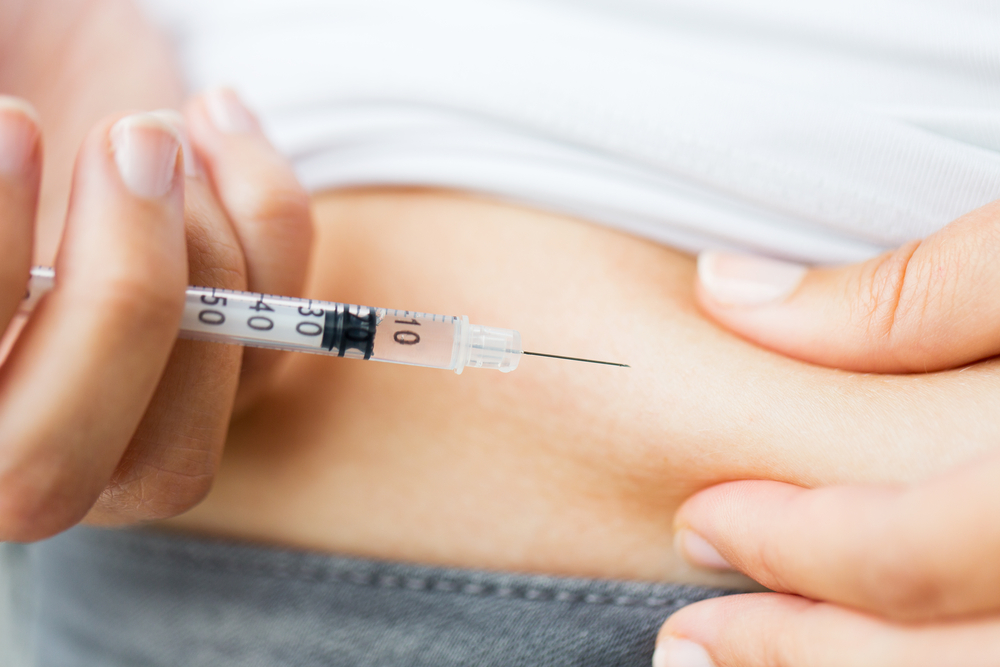
Shots really aren’t that bad. Sure, it’s true that the first time you try to inject yourself, even with the tiny Lupron needles, you will probably be freaking out. But honestly, the thought of doing it is worse than how it actually feels. Most of the time, those little tummy shots don’t even really hurt at all. The butt shots can be worse, but even those can be near painless. Unless you’re using pre-filled syringes, change the needle after drawing up the medication and before injecting yourself in order to have the sharpest needle possible, and use the smallest barrel of needle you can. If you do, you probably won’t feel a thing.
Still, some of those needles are really, really big. Not gonna lie. Those 1.5 inch butt needles are giant. Again, though, they look worse than they feel.
The hardest part is not the physical, but the emotional. Once you’ve mastered injections, you’re on to the hard part. The anxiety over monitoring results, and, eventually, your pregnancy test, are pretty much torture. So how can you deal with it? Distraction. Find the trashiest magazine or the guiltiest pleasure TV you can. Whatever is going to make you forget about what’s going on. Take it one day at a time, one step at a time. Every positive monitoring appointment is a step in the right direction.
You have more strength than you realize. You might not think you can handle what’s coming, especially if you get bad news at any point along your journey. But you’re wrong. You can handle more than you think you can. Somehow, you get through the hard parts and you will come out stronger. That said, if at any point you feel like this is just not worth it, don’t feel bad about stopping treatments. Everyone has their threshold for when they’ve had enough, and there is no reason you should feel bad about moving on to other family planning options, or redefining your concept of family to focus on just you and your partner.
Your partner’s squeamishness may be greater than your own. Remember those butt needles I was talking about? Well, even though you’re the one getting them, you don’t actually have to inject them yourself, or even look at them being injected, because they’re going in your backside. Your partner is going to have the lucky job of putting those suckers into your body, and my husband has said it’s not for the faint of heart. But remember, you’re the one getting poked and prodded all the time, so don’t be afraid to throw that back at him should he balk at the task. He’s just got to suck it up.
Monitoring may affect your calendar. When you cycle, you need to go to the fertility clinic every other morning, every few days, or maybe even every day, for bloodwork and ultrasounds. Monitoring hours are usually super early, like 6 or 7 am to 8 or 9 am, so they generally won’t affect your work day, unless you have to be in the office at the crack of dawn. But they could affect any out-of-town work meetings or vacations you have scheduled. It’s also hard to plan things in advance, since you probably won’t know if you’re going to be pregnant or cycling again in the months ahead. It’s hard to put your life on hold, but your treatment has to be your top priority.
Your private parts are constantly on display. If you are embarrassed at your yearly gyno appointment, you’ll get over that soon enough when you do fertility treatments. Most monitoring appointments will involve a transvaginal ultrasound, otherwise known as the “vag cam.” If your clinic is large, this might mean that a revolving door of doctors and/or ultrasound technicians are going to be sticking a large wand up there. But once it’s in they’ll be looking at the screen, not at you, so it’s really only a few seconds of exposure.
It’s important to be your own patient advocate. When you’re cycling, you will be responsible for making sure you get and refill your meds on time, follow your injection instructions properly, and show up for monitoring when you’re supposed to. Of course, we’ve all had times when we’ve realized our Delestrogen is running low and had to scramble to find a way to get more on time (not to mention that snowstorms, hurricanes or holidays can mess with mail pharmacy shipping schedules). You will probably have a nurse who is your point person and whom you can call for questions, but it’s still up to you to be on top of things. Also, insurance coverage of fertility treatments can be tricky, so you’ll have to advocate for yourself to make sure you’re getting the most money back you can. Finally, don’t be afraid to discuss your doctor’s suggestions for treatment protocols or to seek out a second opinion.
Strangers on the internet can become your best infertile friends. In terms of advocating for yourself, online support groups can be your best research tools. No one knows the ins and outs of treatment better than the women going through it. Hearing about others’ experiences can help sometimes even more than talking to a medical professional. Doctor recommendations, treatment protocols, you name it—these women are a wealth of information. But even more importantly, once you join an online group, you will receive tons of emotional support. The women you “meet” online will get what you’re going through in a way many of your real-life fertile friends may not.
It’s not a bad idea to share with people what you are going through. Even though you can find support with other infertiles, it doesn’t mean you should hide what you are going through from people in your life. Despite not being able to fully understand, friends, family, and even coworkers can help support you if they know what’s going on. If you keep your struggle completely private, you will be going through it alone. By talking about it, you can help end the silence that too often surrounds infertility. And in doing so, you may find support, love and acceptance where you least expect it.