

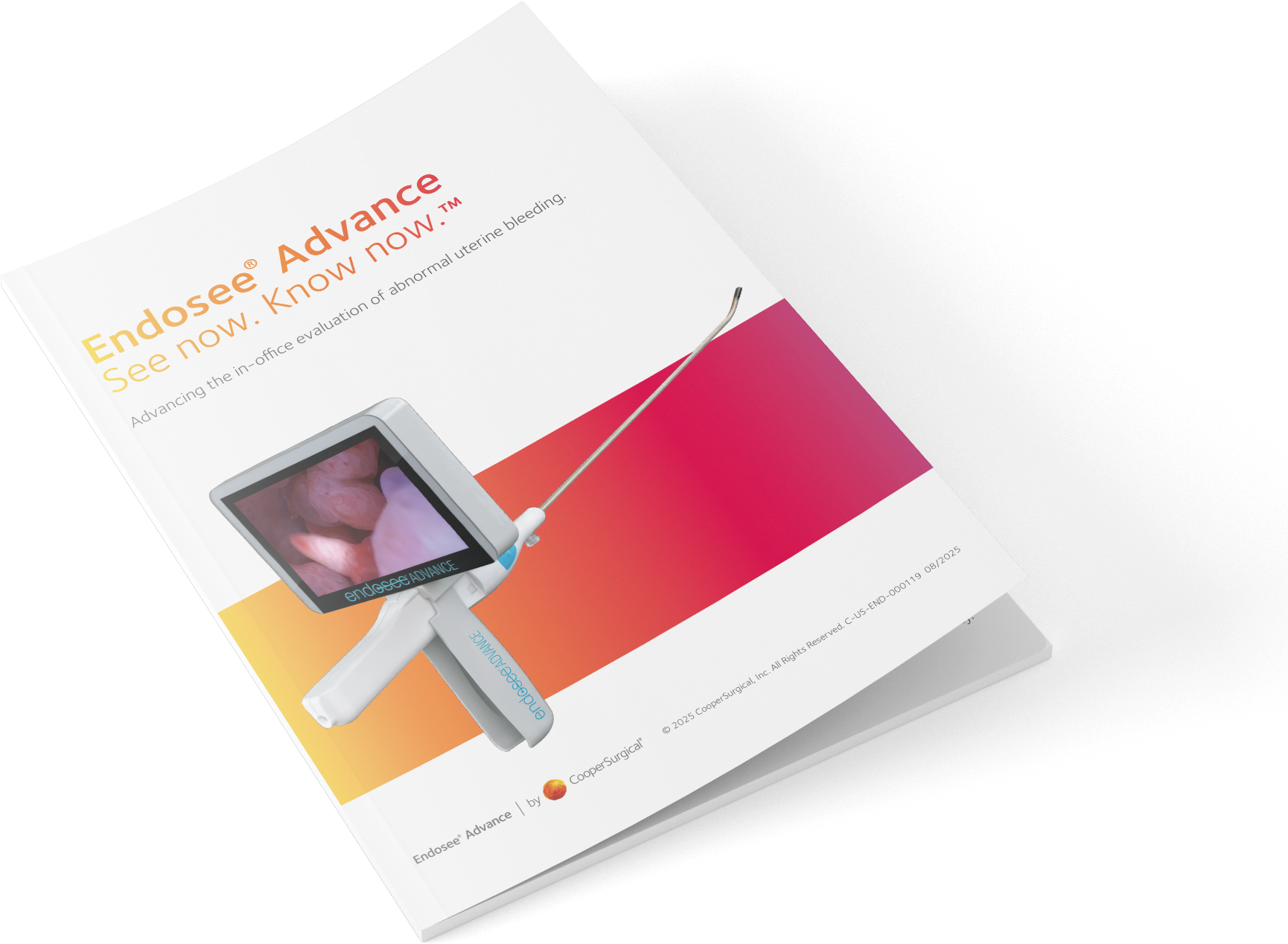
Endosee™ Advance
See now. Know now.™
Designed to make in-office hysteroscopy easy, efficient and patient-friendly
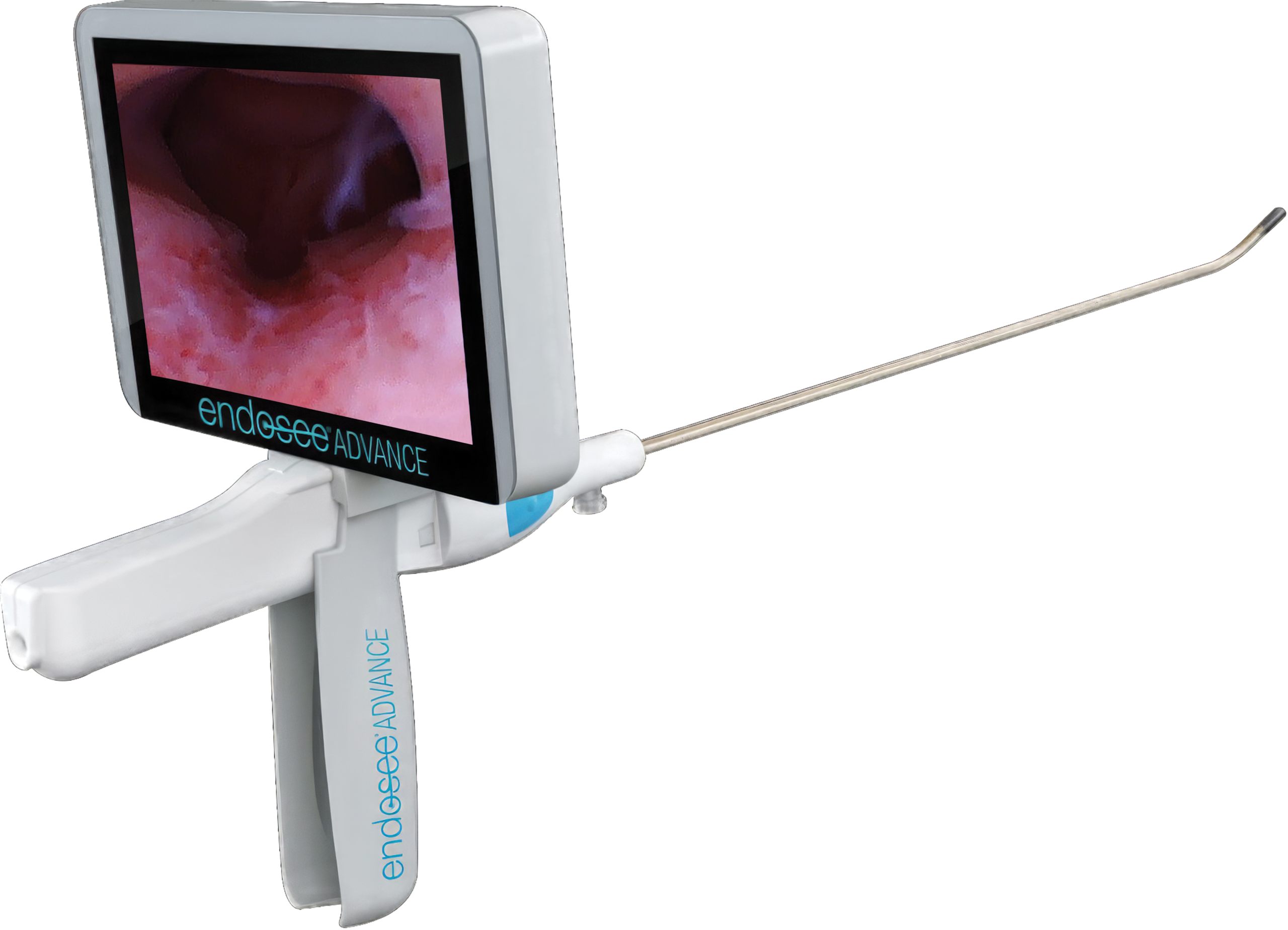
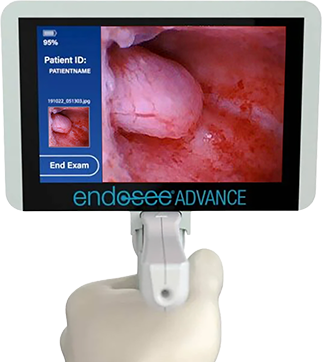
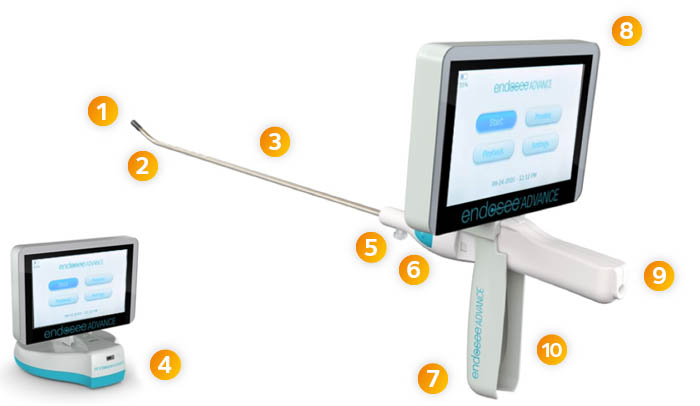
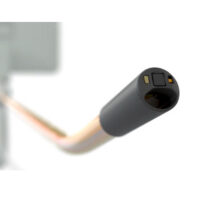
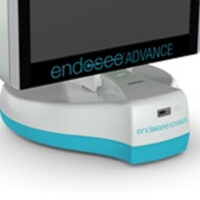
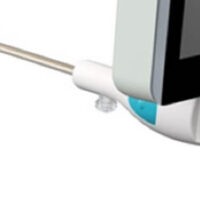
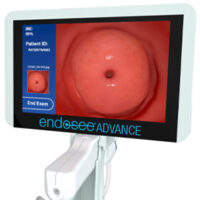
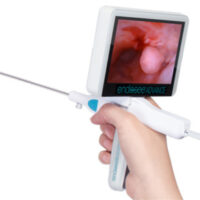
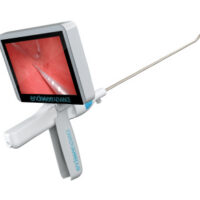
A compact, all-in-one, handheld hysteroscopy system designed for in-office use without the need for bulky equipment or a dedicated procedure room.1,2
It is lightweight and designed to fit easily in a white coat pocket, allowing for portability and accessibility in your practice
One Device. Countless Moments of Clarity.
From routine evaluations to the unexpected, Endosee® Advance supports a wide spectrum of gynecologic decision‑making. Its direct visualization gives you real‑time insight to assess abnormalities, investigate symptoms, guide targeted treatment and biopsy, and manage intrauterine concerns—all without leaving the exam room.3-5
See now. Know now.™
Explore the benefits of bringing in-office hysteroscopy across your practice, your patients, and your team
Endosee Advance not only improves diagnostics but also enhances the patient experience and practice efficiency.
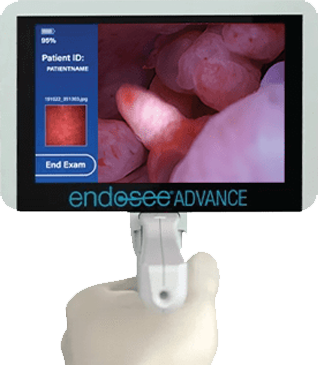
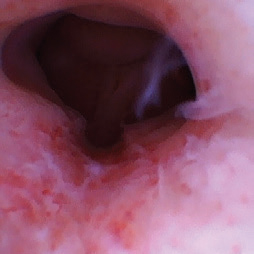
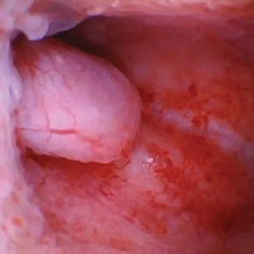
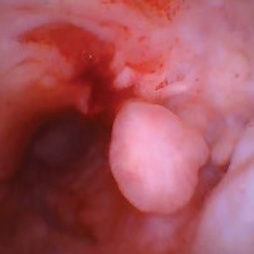








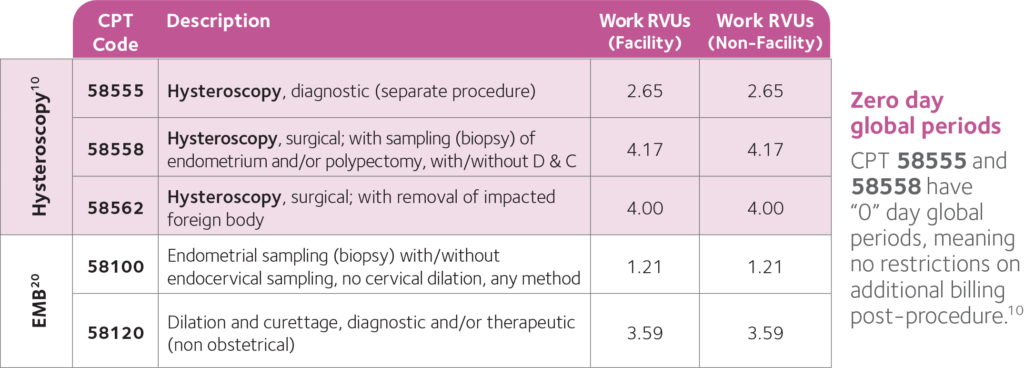




Standard approaches to Abnormal Uterine Bleeding (AUB) evaluation may leave questions unanswered.
While EMB and TVUS may be necessary in the diagnosis of AUB, understanding their limitations is important for recognizing when additional diagnostic insight may be needed.

Patient history
Provides essential clinical context, although symptoms alone may not identify the underlying etiology.11,13

TVUS
Provides structural imaging of the uterus, but cannot directly visualize the endometrial surface or distinguish between similar-appearing lesions.11,13


In-office hysteroscopy
Provides direct visualization of the endometrial lining, enabling visual diagnosis of focal lesions that may be missed by EMB, TVUS, and saline-infused sonohysterography (SIS).12

EMB
Samples the endometrium and can detect various endometrial pathologies, but a negative result alone is insufficient for definitive diagnosis.11,14
In-office hysteroscopy may help to complete the diagnostic picture by allowing clinicians to inspect the uterine cavity, identify focal abnormalities, and assess structural abnormalities, providing patients with a clearer diagnosis.12
Complete your AUB diagnostic workflow with Endosee
Direct visualization allows you to gain immediate clarity at the point of care.

Clinicians’ Experience with Endosee Advance
“In addition to offering physicians immediate visualization to gather important diagnostic information, Endosee also allows us to perform an endometrial biopsy and hysteroscopy in the same visit.”5
Oakland, MD


Endosee Advance Videos and Podcasts
Physician Education
A New and Better Standard of Care Than Blind Biopsy for the Diagnosis of Abnormal Uterine Bleeding
Recent advances in technology are significantly changing the way physicians evaluate patients with abnormal uterine bleeding (AUB). Join host Dr. Andrea Singer as she welcomes Dr. Steven R. Goldstein to discuss AUB and Endosee®, and in-office diagnostic hysteroscopy.
Featuring Endosee Office Hysteroscopy device.
Part 1: Abnormal Uterine Bleeding (AUB): Impact of Direct Visualization for Earlier Diagnosis

Endometrial biopsy (EMB) has limitations in detecting abnormalities within the uterine cavity. In Part 1 of this two-part series, hear experts share their perspectives.
Part 2: Endosee®– Changing the Work Up of Abnormal Uterine Bleeding (AUB)
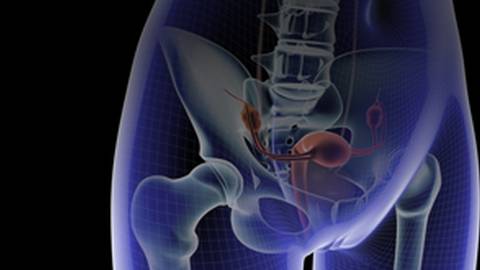
In this second discussion of a 2-part series, host Dr. Renee Allen welcomes back gynecologic experts as they discuss “Endosee®: Changing the Work Up of Abnormal Uterine Bleeding (AUB)
Set-up and Demonstration


Product Codes
| Product | Order Code |
|---|---|
| Endosee Advance Display Module (1 unit) | ES9000 |
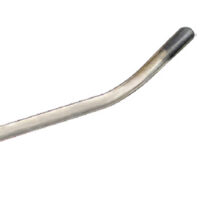
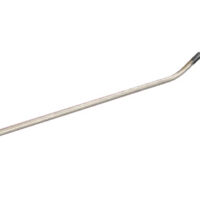
| Endosee Cannula, compatible with ES9000 only (5 per Box) | ESPX5 |
| Endosee System Convenience Kit (5 per Box) | ES-TRAY |
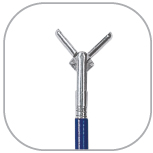
| Biopsy forceps | ES-BPSY |
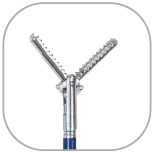
| Spoon Forceps, Long Serrated | ES- LNGR |
| Foreign Body Grasper, Fenestrated | ES-FBGR |
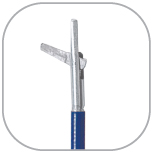
| Scissors, Single Action | ES-SCIS |
| Disposable Alligator Grasper Forceps, 5FR; 460 mm | ES- DISP- AGR |
| Disposable Single Action Scissors. 5FR; 460mm | ES-DISP-SCS |
| Disposable Biopsy Forceps, 5FR,460mm | ES-DISP- BPY |
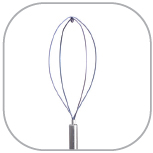
| Disposable Retrieval Snare, 5 Fr. 465 mm, 5/Box | ES-DISP-10-BL |
| Disposable Retrieval Snare, 5 Fr. 473 mm, 5/Box | ES-DISP-15-BL |
Brochures, Catalogs & Flyers
Related Products
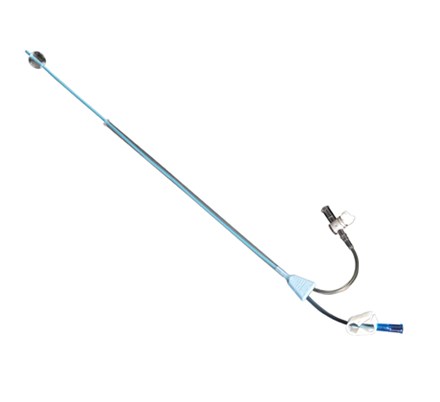
HSG/HS Catheter Set
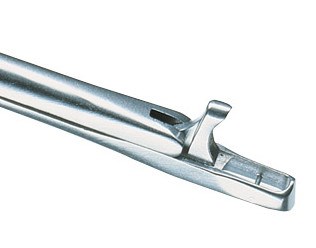
Euro-Med® Mini-Townsend Classic Biopsy Punch
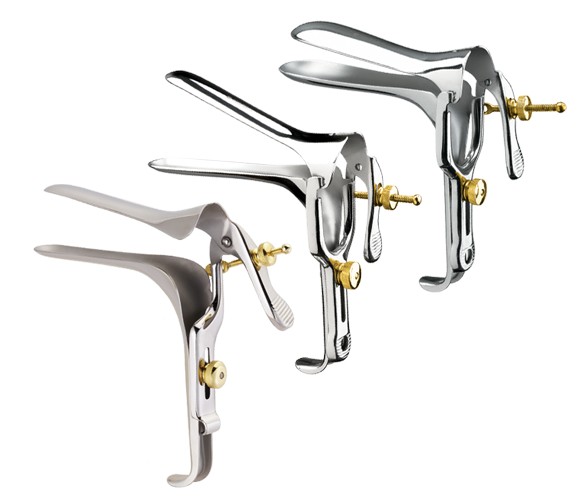
Vaginal Specula Portfolio

Contact your local representative for more information
IMPORTANT SAFETY INFORMATION
Endosee® Advance Direct Visualization System is indicated for viewing the cervical canal, uterine cavity, or female urinary tract, for the purpose of performing diagnostic and therapeutic procedures. Hysteroscopy is contraindicated in patients with known or suspected pelvic inflammatory disease. Hysteroscopy may be contraindicated in patients with inability to distend the uterus, cervical stenosis, cervical/vaginal infection, uterine bleeding, menses, known pregnancy, invasive carcinoma of the cervix, recent uterine perforation, or intolerance to anesthesia. Cystoscopy is contraindicated in patients with severe coagulopathy or febrile patients with urinary tract infection. Please refer to Instructions for Use for more information.
References
- Anderson T. Hand-held digital hysteroscopy system—a game-changer: If you suffer from technophobia, ergonophobia, or econophobia, this device is for you. Contemp Ob/Gyn. 2016;61:29-34.
- CooperSurgical, Inc. Endosee® Advance Direct Visualization System Display Module, Docking Station, and Cannula: Instructions for Use. Trumbull, CT; June 2022:1-20.
- American College of Obstetricians and Gynecologists (ACOG). The use of hysteroscopy for the diagnosis and treatment of intrauterine pathology: ACOG Committee Opinion No. 800. Obstet Gynecol. 2020;135(3):e138-e148.
- Bradley LD. “Blind” endometrial sampling: A call to end the practice. OBG Management. 2022;34(11):33-38.
- Goldstein E. Advantages of in-office hysteroscopy in the diagnosis of abnormal uterine bleeding with Endosee®. CooperSurgical. 2017:1.
- Grimbizis GF, Tsolakidis D, Mikos T, et al. A prospective comparison of transvaginal ultrasound, saline infusion sonohysterography, and diagnostic hysteroscopy in the evaluation of endometrial pathology. Fertil Steril. 2010;94(7):2720-2725.
- Endosee® Advance Case Study – Data on File. CooperSurgical; 2019.
- Moawad N, Santamaria E, Johnson M, Shuster J. Cost effectiveness of office hysteroscopy for abnormal bleeding. JSLS. 2014;18(3):1-5.
- Munro MG, Critchley HO, Fraser IS. The FIGO classification of causes of abnormal uterine bleeding in the reproductive years. Fertil Steril. 2011;95(7):2204-2208, 2208.e1-3.
- Centers for Medicare & Medicaid Services. Physician Fee Schedule Search. CMS. Available at: https://www.cms.gov/medicare/physician-fee-schedule/search. Accessed May 26, 2026.
- Johns Hopkins Medicine. Sonohysterography. 2025. Available at: https://www.hopkinsmedicine.org/health/treatment-tests-and-therapies/sonohysterography. Accessed June 9, 2025.
- Bradley LD. Diagnosis of abnormal uterine bleeding with biopsy or hysteroscopy. Menopause. 2011;18(4):425-433.
- Lee SC, Seibel B, Kaunitz AM. When should endometrial polyps be treated? Curr Obstet Gynecol Rep. 2012;1:89-93. doi:10.1007/s13669-012-0012-9.
- American College of Obstetricians and Gynecologists (ACOG). Practice bulletin no. 128: Diagnosis of abnormal uterine bleeding in reproductive-aged women. Obstet Gynecol. 2012;120(1):197-206.
- ACOG. Management of acute abnormal uterine bleeding in nonpregnant reproductive-aged women. Obstet Gynecol. 2013;121(4):891-896.
- Postmenopausal Bleeding Requires More Than Blind Biopsy. Medscape. November 13, 2017. Available at: https://www.medscape.com/viewarticle/888432_print.
- Feathers AT. Endosee Has Proven to be Helpful for a Number of Patients, Both Young & Old. CooperSurgical 82564 06/16.